- 01The Fatal Misconception: When the Workplace Unwittingly Turns Into a “Nursery”
- 02The Core Difference Between “Empathy” and “Playing Babysitter”
- 03The Price of Compromising Performance Under the Guise of “Family Culture”
- 04Where Does the Real Power of Empathy Lie?
- 05Listening Without Judgement: The Antidote to Hidden Fractures
- 06The Economic Arithmetic of Kindness
- 07Practising Empathy: A Sword Needs a Sheath
- 08Empathetic Discipline: How to Say “No” Kindly but Firmly
- 09Protect Yourself: Don't Let Empathy Drain Your Energy
In recent years, 'empathy' has suddenly become a fashionable keyword in people management. Across every forum, people insist that the era of despotic bosses — who only knew how to pound the table and shout — has receded into the past.
It is true that society advances, and that human beings deserve to be treated with more humanity. Yet, watching how things actually run in many companies, I notice a rather ironic truth.
Precisely because they long so much to become 'empathetic leaders', quite a few young managers are walking straight into a trap of emotional exhaustion. They confuse understanding their people with turning themselves into an unconditional support for every excuse.
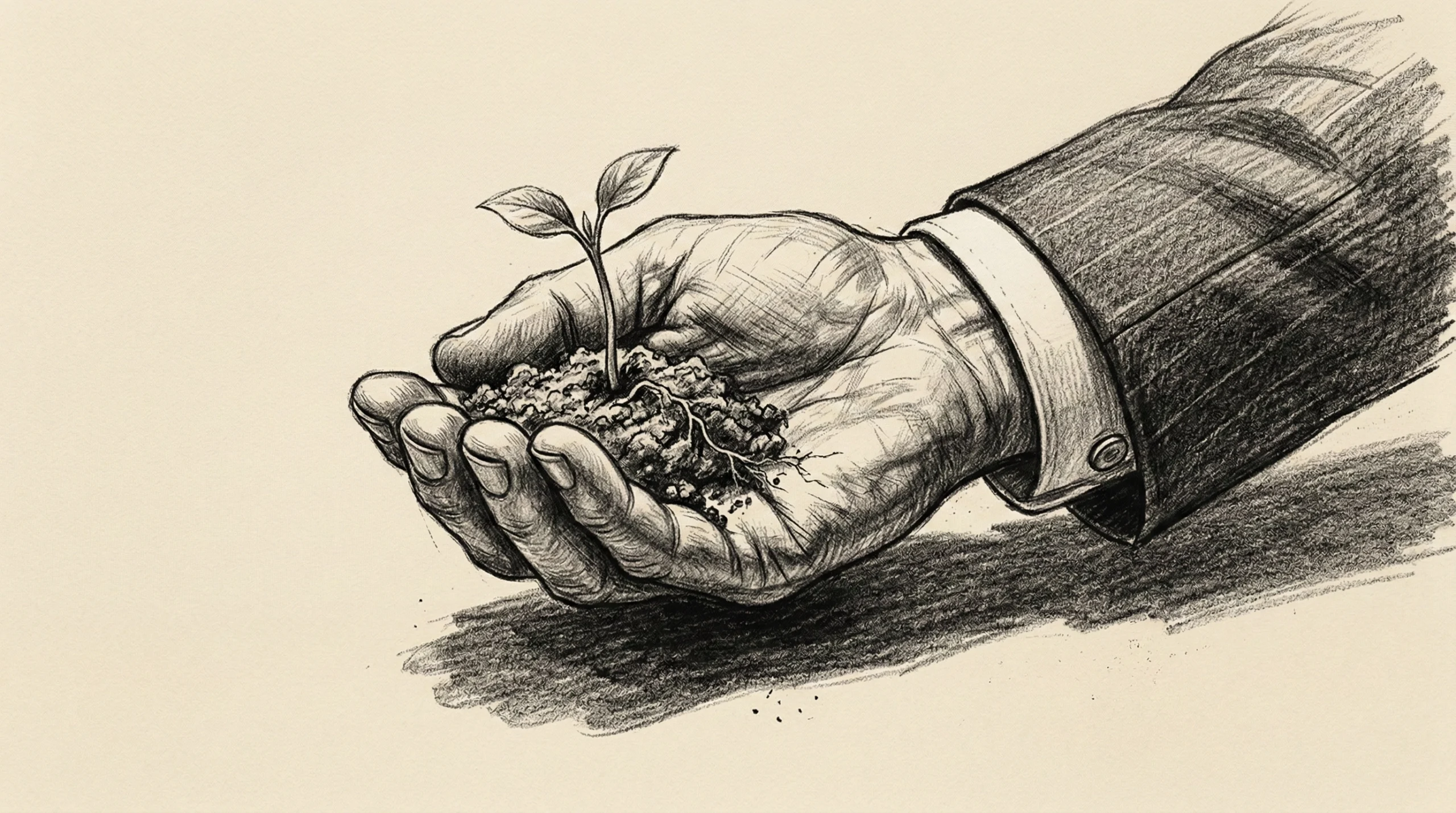
The Fatal Misconception: When the Workplace Unwittingly Turns Into a “Nursery”
Empathy is a razor-sharp blade, but if you hold it by the wrong edge, the first to bleed is the leader. This confusion of concepts is quietly corroding the performance of quite a few organisations.
The Core Difference Between “Empathy” and “Playing Babysitter”
An employee misses three deadlines in a week because 'I've been so stressed about my relationship lately'. If you nod and quietly take over their share of the work so they can rest, do you think you are being empathetic?
In truth, no — you are playing the babysitter. Empathy is the ability to understand another person's pain; but Sympathy and Over-accommodation are behaviours that indulge weakness.
An empathetic leader sits down, listens to understand the employee's trouble — and then still asks them to answer for their own share of the work. A leader is a guide, not an emotional wastebin anyone can pour into.

The Price of Compromising Performance Under the Guise of “Family Culture”
'The company is home, colleagues are family' — a slogan that sounds warm, yet is sometimes profoundly toxic. When you place family feeling inside a structure that, by nature, runs on profit charts, the lines of responsibility instantly blur.
You do not dare to let go of an underperforming employee simply because 'she has been with us since the early days'. You hesitate to penalise an undisciplined individual for fear of being called a heartless boss.
But you forget that misplaced empathy toward an individual is the ultimate cruelty toward the rest of the group. What will the hard-working people think when they watch laziness being tolerated under the fine words 'empathetic culture'?
[Suggested reading: corporate culture and the traps of workplace slogans]
Where Does the Real Power of Empathy Lie?
In my previous essay, Gen Z on the Hot Seat: Title Inflation or the Trial by Fire of a New Generation?, I mentioned that young managers cannot impose themselves through titles; they must win over more senior employees with empathy. So here, let us go deeper into how this 'weapon' called empathy actually works.
Listening Without Judgement: The Antidote to Hidden Fractures
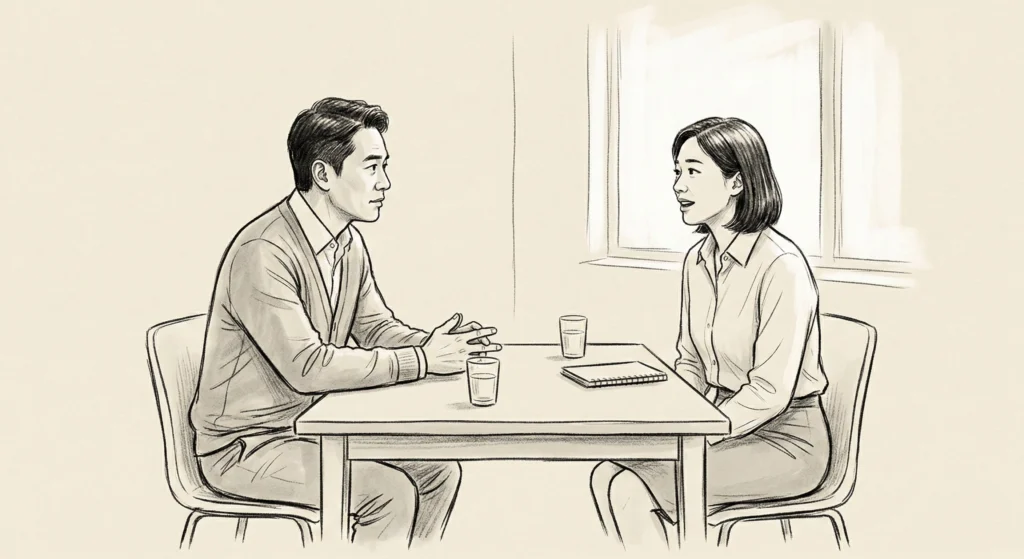
The greatest power of empathy does not lie in moral advice; it lies in silence. A quality silence — focused, present, and utterly free of judgement.
When a project fails, the natural reflex of a poor boss is to find someone to blame. The reflex of an empathetic leader is to ask: 'What stopped us from getting this done?'
They separate the 'person' from the 'work'. They show their staff: I reject this poor result, but I do not reject your abilities or your worth as a human being. That is the true antidote that repairs the hidden fractures of trust within an organisation.
The Economic Arithmetic of Kindness
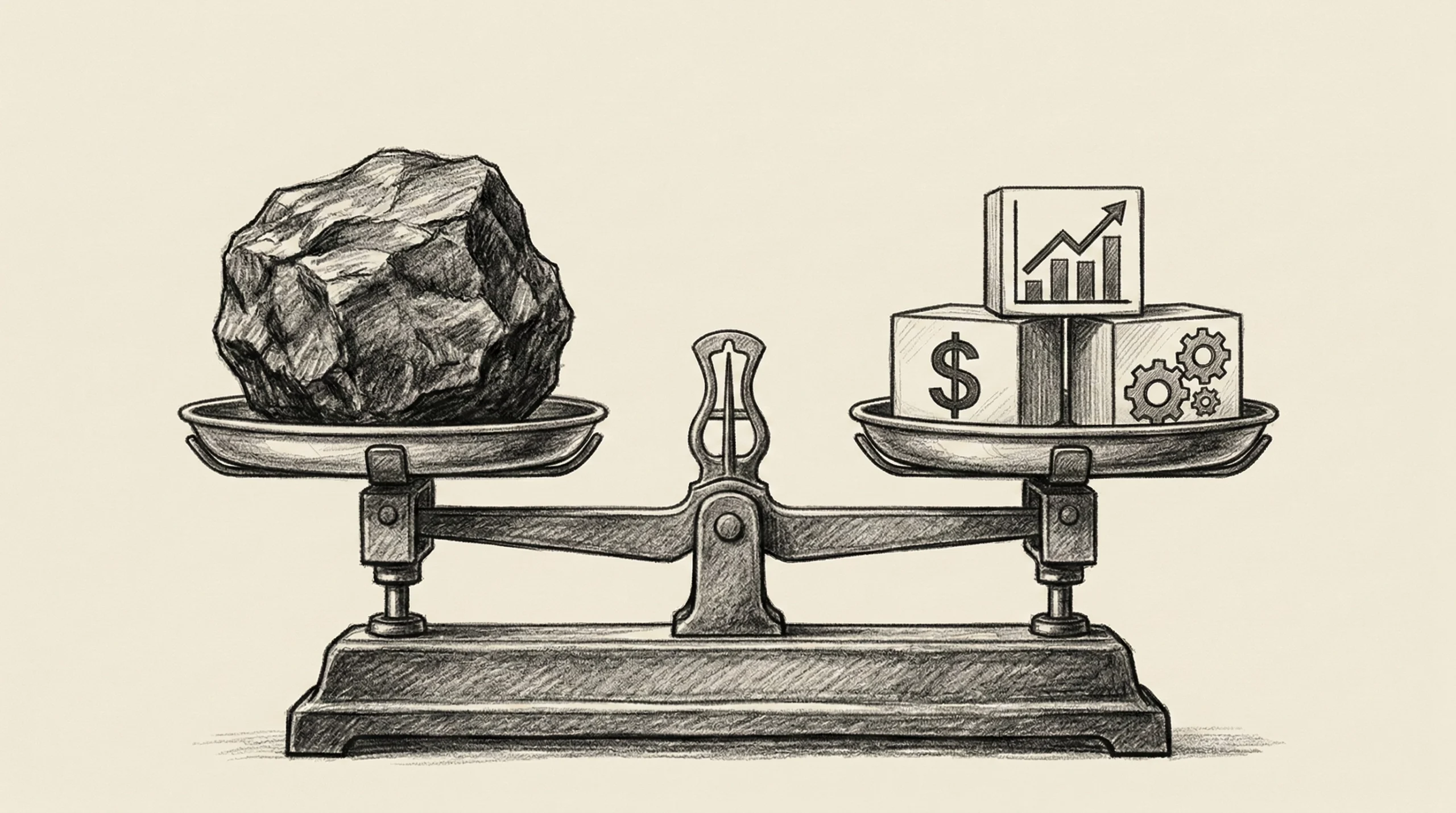
Many people mistake empathy for a weak soft skill. Yet, from the lens of a capitalist, empathy is a talent-retention strategy with an extraordinarily high return on investment.
People may join a company for a generous salary, but they often leave because of a poor boss. When employees feel seen as human beings with their own worries — not just a silent cog in the machine — loyalty begins to grow.
And in this merciless marketplace, you cannot buy loyalty with any KPI system or year-end bonus. It can only be exchanged for the sincerity that comes from the person at the head.
Practising Empathy: A Sword Needs a Sheath
So that you are not swept away by other people's emotional currents, empathy must be set within clear boundaries. Empathy without discipline is nothing but complacency.
Empathetic Discipline: How to Say “No” Kindly but Firmly
Many managers are terrified of saying 'No'. They are afraid of offending, afraid of being judged cold-hearted. But the truth is: clarity is kindness.
You can absolutely say: 'I truly understand the personal difficulties you are going through, and the company is ready to give you a few days of rest. But the standard of this project is non-negotiable; if you cannot guarantee it, we will have to hand it over to someone else.'
That is empathy paired with steel discipline. It protects the interests of the organisation, while preserving the dignity and the utmost respect of the employee.

Protect Yourself: Don't Let Empathy Drain Your Energy
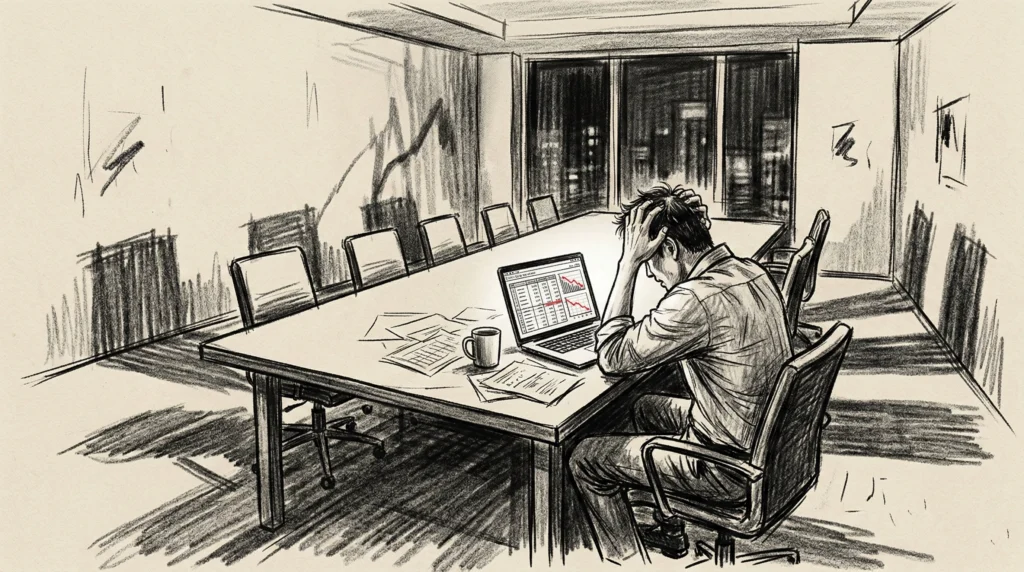
In the end, an empty pitcher cannot pour water for anyone. A leader who spends every day caught up in emotional dramas and petty grievances — where would the mind for strategy come from?
You must learn to close the door, to disconnect when necessary, to protect your own mental health. Empathy is only sustainable when you yourself are not burning out.
Empathy is an art; and like every art, it demands lucidity — to know when to set the brush down, and when to strike those decisive strokes.
Looking back on your management journey, have you ever felt drained dry by your own concessions?
Next time, when you face an employee reaching for excuses for their weakness, will you choose to indulge that fleeting emotion — or will you have the backbone to use empathy to lift them toward a higher standard? That choice, in the end, defines whether you are a babysitter or a true leader.
Key Takeaways:
- Empathy is not lowering work standards to please employees — it is understanding their circumstances in order to stand by them and help them reach that demanding standard.
- A great empathetic leader knows how to draw a clear line between understanding an employee's personal pain and protecting the vital requirements of the project.
- Empathy only unleashes its power when paired with clear boundaries; without boundaries, it gradually morphs into cover-up, indulgence, and the ruin of organisational discipline.

Để lại một bình luận